On-Page SEO: Complete Guide to Optimizing Your Website for Better Rankings
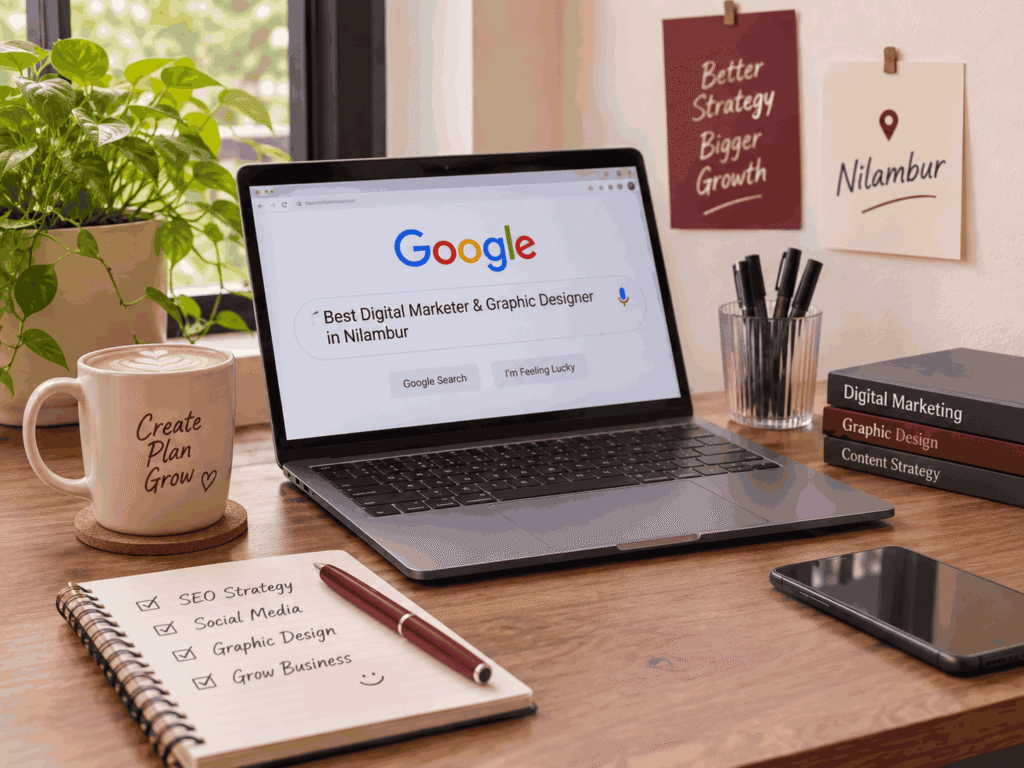
On-page SEO is one of the most important aspects of digital marketing. It helps search engines understand your website content and makes it easier for users to find relevant information. Whether you own a business website, run a blog, or manage an e-commerce store, optimizing your web pages can improve your visibility on search engines like Google.
In this blog, let’s explore what on-page SEO is, why it matters, and the important techniques you can use to optimize your website.
What Is On-Page SEO?
On-page SEO refers to the practice of optimizing individual web pages to improve their search engine rankings and attract organic traffic. It involves improving website content, headings, title tags, meta descriptions, URLs, images, and internal links.
Unlike off-page SEO, which focuses on external factors such as backlinks, on-page SEO concentrates on elements within your website that you can directly control.
Why Is On-Page SEO Important?
On-page SEO plays an important role in improving your website’s overall performance.
Improves Search Engine Rankings: Proper optimization helps search engines understand your content and determine its relevance to users’ searches.
Increases Organic Traffic: Well-optimized pages have a better opportunity to appear in relevant search results.
Enhances User Experience: Clear content, proper headings, and easy navigation make your website more user-friendly.
Improves Content Visibility: Using relevant keywords helps your content reach the right audience.
Increases Engagement: Useful and well-structured content encourages visitors to explore more pages.
10 Important On-Page SEO Techniques
1. Keyword Research and Placement
Keyword research and placement is one of the most important parts of on-page SEO. It involves identifying the words and phrases that people use when searching for products, services, or information online. Choosing the right keywords helps searchengines understand your website content and connect it with the right audience. Once you identify your target keywords, place them naturally in your page title, headings, introduction, subheadings, URL, and content. For example, if you are targeting the keyword “Best Digital Marketer and Graphic Designer in Nilambur,” you can include it naturally in your website content to improve your chances of appearing in relevant local search results. This keyword can help reach people looking for digital marketing and graphic design services in Nilambur. However, avoid keyword stuffing and focus on creating meaningful, user-friendly content.
Include your primary keyword naturally in:
Page title
Main heading (H1)
Introduction
Subheadings
URL
Meta description
Avoid keyword stuffing, as it can negatively affect the reading experience.
2. Optimize Title Tags
Title tag optimization is one of the most important techniques in on-page SEO because it helps search engines and users understand the main topic of a webpage. A title tag is the clickable headline that appears on search engine results pages when someone searches for information, products, or services online. It creates the first impression of your website and plays an important role in encouraging users to visit your page. A well-optimized title tag should be clear, relevant, attractive, and closely related to the content available on the webpage. To improve your title tags, always try to include your primary keyword naturally near the beginning of the title whenever possible. This helps search engines identify the main topic of your page and understand its relevance to a particular search query.
For example, if you are targeting the keyword “Best Digital Marketer and Graphic Designer in Nilambur,” you can use it in a relevant page title to improve your website’s visibility among people searching for digital marketing and graphic design services in Nilambur. You should also make sure that every webpage has a unique title tag that accurately describes its content. Avoid using the same title for multiple pages because it can make it difficult for search engines and users to distinguish between them. Keep your titles informative and avoid adding unnecessary words or repeating keywords just to improve rankings. It is also important to create titles that match the search intent of your target audience. For instance, someone searching for digital marketing services may want to learn about SEO, social media marketing, website development, or online business promotion. A relevant title can help them understand what your page offers before clicking on it. Although title tags do not guarantee higher rankings, writing meaningful and keyword-focused titles can improve your search appearance, attract relevant visitors, and increase the chances of getting clicks from search results. Therefore, always spend time creating effective title tags as they are an essential part of a successful on-page SEO strategy.
3. Write Engaging Meta Descriptions
Writing engaging meta descriptions is another important part of on-page SEO because it helps users understand what your webpage offers before they decide to visit it. A meta description is a short summary of a webpage that may appear below the title tag in search engine results pages. It provides users with a quick overview of the information available on your website and encourages them to click on your page instead of other search results. A well-written meta description should be informative, attractive, relevant, and directly related to the content of the webpage. While meta descriptions are not a direct Google ranking factor, they can influence the click-through rate by giving users a clear reason to choose your website. When creating a meta description, it is important to include your primary keyword naturally without making the sentence sound forced or repetitive. For example, if you are targeting the keyword “Best Digital Marketer and Graphic Designer in Nilambur,” you can write a description that highlights your digital marketing and graphic design services while explaining how they can help businesses improve their online presence. You should also focus on understanding what your target audience is searching for and include information that matches their needs and expectations. Try to communicate the main benefit of your webpage using simple, meaningful, and engaging language. Adding relevant words that highlight your services, expertise, or solutions can make your description more appealing to potential visitors. It is also important to create unique meta descriptions for every important page on your website instead of copying the same description across multiple pages. Avoid writing descriptions that are too lengthy, as search engines may shorten them depending on the device and search query. Make sure your description accurately represents the page content and does not include misleading information just to attract clicks. Remember that an effective meta description acts like a small advertisement for your webpage in search results. By creating clear, keyword-focused, and engaging descriptions, you can improve your website’s search appearance, attract the right audience, increase potential clicks, and create a better first impression of your business online.
4. Use Proper Heading Structure
Using a proper heading structure is an essential part of on-page SEO because it helps organize your website content and makes it easier for both search engines and visitors to understand the information presented on a webpage. Headings act as a guide that divides your content into different sections and allows readers to quickly find the information they are looking for without having to read the entire page. In SEO, headings are generally organized using different HTML tags, such as H1, H2, H3, H4, H5, and H6, where each level represents a different level of importance. The H1 tag is usually used for the main title of the webpage and should clearly describe the overall topic of the content. H2 tags are used for the main sections, while H3 tags help divide those sections into smaller and more specific topics. For example, if your blog is about digital marketing, your H1 heading could be “Complete Guide to Digital Marketing,” followed by H2 headings such as “What Is Digital Marketing?”, “Benefits of Digital Marketing,” and “Types of Digital Marketing.” Under these sections, you can use H3 headings to explain individual topics in greater detail. When creating headings, it is important to include relevant keywords naturally so that search engines can better understand the subject of your webpage. For example, using the keyword “Best Digital Marketer and Graphic Designer in Nilambur” in a relevant heading can help communicate the local focus of your content. However, avoid adding keywords unnecessarily or using headings only for SEO purposes. Each heading should accurately describe the information that follows and maintain a logical flow throughout the page. It is also important to avoid choosing heading levels simply because of their font size or appearance, as headings should be used according to their content hierarchy. A well-organized heading structure improves content readability, makes webpages easier to navigate, supports accessibility for people using screen readers, and helps search engines understand the relationship between different sections of your content. Therefore, using clear, descriptive, and properly arranged headings is an important practice for creating informative, user-friendly, and SEO-optimized website content.
5. Create High-Quality Content
Creating high-quality content is one of the most important factors in a successful on-page SEO strategy because valuable content helps attract visitors, build trust, and improve the overall performance of a website. Search engines aim to provide users with the most relevant, useful, and reliable information based on their search queries. Therefore, your website content should be created with the needs and interests of your target audience in mind rather than focusing only on adding keywords. High-quality content should be original, informative, engaging, easy to understand, and directly related to the topic of the webpage. It should provide meaningful answers to users’ questions, explain important concepts clearly, and offer information that helps readers solve their problems or make better decisions. When creating website content or blog articles, make sure to organize the information into clear paragraphs, use relevant headings and subheadings, and include examples wherever necessary to make the topic easier to understand. It is also important to conduct proper keyword research before writing content so that you can identify the search terms your audience frequently uses and include them naturally throughout your webpage. For example, if you are targeting the keyword “Best Digital Marketer and Graphic Designer in Nilambur,” you can create informative content about digital marketing strategies, SEO services, social media management, website optimization, and creative graphic design solutions. This helps search engines understand the purpose of your webpage while providing useful information to people looking for these services in Nilambur. In addition to keyword placement, pay attention to the accuracy, originality, and usefulness of the information you publish. Avoid copying content from other websites, repeating the same information unnecessarily, or creating lengthy paragraphs that do not provide any real value to readers. Regularly updating your website content with relevant information, fresh examples, and accurate details can also help maintain its usefulness over time. You should also make sure that your content matches the search intent of your audience, meaning it should provide exactly the type of information users expect when they enter a particular search query. Remember that the main purpose of creating high-quality content is not simply to attract search engines but to provide a satisfying experience for real people visiting your website. When your content is helpful, well-structured, and relevant, visitors are more likely to spend time exploring your website, understand your services, and develop confidence in your brand. Therefore, consistently publishing valuable and user-focused content is an essential step towards improving website visibility, building online credibility, and achieving long-term SEO success.
6. Optimize Images
Image optimization is an important part of on-page SEO because images make website content more attractive, engaging, and easier for visitors to understand. Visual elements help break up long paragraphs, explain complex information, and create a better browsing experience for users. However, simply uploading images to your website is not enough; they should also be properly optimized so that search engines can understand them and your webpages can load efficiently. One of the first steps in image optimization is choosing the right image format, such as JPEG, PNG, or WebP, depending on the type of image and its purpose. WebP is often a good choice because it provides smaller file sizes while maintaining good visual quality. Compressing images before uploading them is also important because large image files can increase website loading time and negatively affect user experience. Another essential practice is using descriptive image file names instead of uploading files with generic names such as “IMG1234.jpg” or “image001.png.” For example, if you are uploading an image related to digital marketing services, you can use a descriptive file name such as “best-digital-marketer-in-nilambur.webp.” You should also add appropriate alt text, which is a short description that explains what an image represents. Alt text helps search engines understand the subject of an image and improves accessibility for visitors who use screen readers or experience difficulties loading images. For example, an image showing a professional working on digital marketing strategies can have the alt text “Best Digital Marketer and Graphic Designer in Nilambur.” It is equally important to choose images that are relevant to the webpage content rather than adding unnecessary visuals just to make the page look attractive. Make sure that images are properly sized, responsive, and displayed correctly on desktops, tablets, and mobile devices. You can also use descriptive captions wherever they provide additional information to readers. Another useful practice is to avoid uploading multiple large images without considering their impact on website performance. Optimized images can help reduce page loading time, improve the overall browsing experience, and make your website more accessible across different devices. Therefore, paying attention to image formats, file sizes, descriptive names, and alt text can strengthen your on-page SEO strategy while making your website visually appealing and user-friendly.
7. Create SEO-Friendly URLs
Creating SEO-friendly URLs is another important technique in on-page SEO because it helps search engines and visitors understand the content and purpose of a webpage through its web address. A URL (Uniform Resource Locator) is the unique address used to access a particular page on a website. Having a clean, simple, and descriptive URL structure makes your website easier to navigate and provides users with a clear idea of what they can expect to find before opening a webpage. When creating SEO-friendly URLs, it is important to include relevant keywords that accurately describe the main topic of the page. Using your primary keyword naturally in the URL can help search engines understand the subject of your content and its relevance to specific search queries. For example, if your webpage focuses on digital marketing and graphic design services in Nilambur, you can create a URL such as www.example.com/best-digital-marketer-graphic-designer-nilambur instead of using a long and confusing URL containing random numbers, symbols, or unnecessary words. It is also recommended to keep URLs short, meaningful, and easy to remember so that visitors can understand and share them without difficulty. Use hyphens to separate individual words because they make URLs more readable for both users and search engines. Avoid using unnecessary special characters, excessive numbers, capital letters, and complicated parameters that do not provide useful information about the webpage. Another important practice is to maintain a consistent URL structure throughout your website so that different pages are organized logically and visitors can easily understand the relationship between them. For example, a website offering digital marketing services can organize its pages using URLs such as /seo-services, /graphic-design-services, and /social-media-marketing. This makes the website structure clearer and helps users find relevant information more easily. It is also important to avoid changing existing URLs frequently because unnecessary changes can create broken links and affect the way search engines access your pages. If you need to change an existing URL, make sure to implement a proper 301 redirect so that visitors and search engines are directed to the new page. Remember that an SEO-friendly URL should clearly represent the content of the webpage rather than simply contain as many keywords as possible. A well-structured URL improves website organization, supports a better user experience, and helps search engines understand your website content more effectively. Therefore, creating simple, descriptive, and keyword-relevant URLs is an essential practice for building a well-optimized website and strengthening your overall on-page SEO strategy.
8. Add Internal Links
Adding internal links is an important part of on-page SEO because it helps connect different pages and posts within the same website, making it easier for visitors and search engines to navigate and understand your website structure. Internal linking refers to the process of adding clickable links within your website content that direct users from one webpage to another relevant page on the same website. These links help visitors discover additional information without having to return to the homepage or search for the content themselves. For example, if you have a blog about digital marketing, you can add internal links to related articles about search engine optimization, keyword research, social media marketing, content marketing, and website development. Similarly, if you are promoting services through your website, you can link relevant blog posts to your service pages so that visitors can learn more about what your business offers. For instance, when targeting the keyword “Best Digital Marketer and Graphic Designer in Nilambur,” you can naturally link this content to your SEO services page, graphic design portfolio, social media management page, or contact page. This allows potential customers to explore your services and understand how your business can help them improve their online presence. Internal links also help search engine crawlers discover new pages, understand the relationship between different topics, and identify the structure of your website. Another important element of internal linking is using descriptive anchor text, which refers to the clickable words that contain the link. Instead of using general phrases such as “click here” or “read more,” choose meaningful anchor text that clearly explains what the linked page is about. For example, using phrases such as “professional graphic design services” or “effective SEO strategies” gives both visitors and search engines a better understanding of the destination page. However, it is important to add links only when they are relevant and useful to the content. Avoid inserting too many unnecessary links into a single paragraph, as this can make the content difficult to read and create a confusing browsing experience. You should also regularly check your internal links to make sure they are working correctly and do not lead to broken pages or outdated content. A well-planned internal linking strategy encourages visitors to explore more sections of your website, improves navigation, distributes link value across relevant pages, and helps search engines understand your website more effectively. Therefore, adding relevant and properly structured internal links is an essential practice for improving website usability, strengthening your SEO strategy, and helping visitors discover valuable information about your business.
9. Improve Website Loading Speed
Improving website loading speed is an essential part of on-page SEO because it directly affects how visitors interact with your website and how smoothly they can access its content. Website loading speed refers to the amount of time a webpage takes to display its content, images, videos, and other elements after a visitor clicks on a link or enters a website address. In today’s digital world, people expect websites to load quickly and provide information without unnecessary delays. If a website takes too long to load, visitors may become frustrated, leave the page, and move to another website that offers a faster browsing experience. This can increase the bounce rate and reduce opportunities to convert visitors into potential customers. Website speed is also important for SEO because Google uses page experience signals, including Core Web Vitals, to evaluate aspects of the user experience. A fast-loading website allows search engine crawlers and visitors to access webpage content more efficiently while creating a smooth browsing experience across different devices. There are several ways to improve website loading speed, and one of the most effective methods is optimizing images by compressing large files and using modern formats such as WebP without significantly affecting their visual quality. You should also choose a reliable web hosting provider that offers good server performance, as poor hosting can slow down your entire website. Another useful technique is enabling browser caching, which allows frequently accessed website resources to be stored temporarily on a visitor’s device so that the website can load faster during future visits. Reducing unnecessary plugins, removing unused themes, minimizing CSS and JavaScript files, and avoiding excessive animations can also help improve overall website performance. If your website contains multiple high-resolution images, videos, or other heavy elements, make sure they are properly optimized so that they do not affect page loading time. You can also use a Content Delivery Network (CDN) to deliver website content through servers located closer to visitors, helping reduce loading delays. For example, if you are targeting customers through the keyword “Best Digital Marketer and Graphic Designer in Nilambur,” having a fast and responsive website can make it easier for potential customers to explore your digital marketing services, graphic design portfolio, and contact information without interruptions. It is equally important to test your website performance regularly using tools such as Google PageSpeed Insights, which provides information about loading speed and suggestions for improvement. Pay special attention to Core Web Vitals, including Largest Contentful Paint (LCP), Interaction to Next Paint (INP), and Cumulative Layout Shift (CLS), as they measure important aspects of loading performance, interactivity, and visual stability. Remember that improving website speed is not just about achieving a good score in performance testing; it is about providing visitors with a comfortable, reliable, and efficient browsing experience. Therefore, regularly monitoring and optimizing your website loading speed can improve user satisfaction, support better SEO performance, reduce visitor drop-offs, and help your business create a stronger online presence.
10. Make Your Website Mobile-Friendly
Making your website mobile-friendly is an essential part of on-page SEO because a large number of people use smartphones and tablets to browse websites, search for information, explore products, and access online services. A mobile-friendly website is designed to adjust its layout, content, images, and other elements according to different screen sizes, ensuring that visitors can access the website comfortably on any device. With the increasing use of mobile devices, having a website that works properly on smartphones is important for providing a smooth browsing experience and reaching a wider audience. Google also uses mobile-first indexing, which means it primarily uses the mobile version of a website’s content for indexing and ranking. Therefore, it is important to make sure that your website performs well on mobile devices and provides the same valuable information available on the desktop version. A responsive website automatically adjusts its design to fit different screen sizes without requiring users to zoom in, scroll horizontally, or struggle to find important information. To make your website mobile-friendly, start by choosing a responsive website design that automatically adapts to smartphones, tablets, and desktop computers. Make sure your text is clear and readable, headings are properly arranged, and buttons are large enough for visitors to tap easily. Images should also resize correctly according to the screen dimensions without affecting the overall layout or loading speed. Another important factor is website navigation. Keep your menus simple, organize your content into clear sections, and make important pages such as Home, About, Services, and Contact easy to access. Avoid using too many pop-ups, large animations, or unnecessary design elements that can make mobile browsing difficult. You should also ensure that contact forms are easy to fill out and that important links and buttons work properly on smaller screens. For example, if you are targeting the keyword “Best Digital Marketer and Graphic Designer in Nilambur,” a mobile-friendly website allows potential customers to explore your digital marketing services, view your graphic design portfolio, read customer testimonials, and contact you directly using their smartphones. This creates a more convenient experience and increases the chances of turning website visitors into potential customers. You can regularly test your website using Google’s Mobile-Friendly usability recommendations and PageSpeed Insights to identify issues related to mobile performance, readability, and page layout. Remember that a website should not only look attractive on a desktop computer but should also function smoothly across all mobile devices. By focusing on responsive design, readable content, easy navigation, and fast loading speed, you can improve user experience, support your SEO efforts, reach more potential customers, and build a professional online presence for your business.
On-page SEO is an essential part of building a successful website. From keyword placement and content optimization to image SEO and internal linking, every element contributes to making your website more search-engine-friendly.
By following the right on-page SEO practices, you can improve your website’s visibility, provide a better user experience, and attract more relevant organic traffic. Remember, SEO is an ongoing process, so regularly review and update your website to maintain its performance.